Buy weddingplanning.eu ?
We are moving the project
weddingplanning.eu .
Are you interested in purchasing the domain
weddingplanning.eu ?
domain@kv-gmbh.de · 0541-91531010
Buy weddingplanning.eu ?
Are wages liabilities?
Yes, wages are considered liabilities for a company because they represent an obligation to pay employees for their work. From an accounting perspective, wages are typically recorded as a liability on the company's balance sheet until they are paid to the employees. This reflects the company's obligation to fulfill its financial commitments to its employees. Therefore, wages are classified as a liability until they are settled. **
What are liabilities and receivables?
Liabilities are obligations or debts that a company owes to external parties, such as loans, accounts payable, or accrued expenses. They represent the company's financial responsibilities that must be settled in the future. Receivables, on the other hand, are amounts owed to a company by its customers or other parties for goods or services provided. They represent the company's right to receive payment and are considered assets on the company's balance sheet. Both liabilities and receivables are important components of a company's financial position and are crucial for assessing its overall financial health. **

Similar search terms for Liabilities
Top-Angebote
Products related to Liabilities:
-
Lush Decor Garden Of Flowers Ruffle Sheet SetPeacefully drift off to sleep night after night with this serene bedding sheet set. The soft fabric and peaceful print romanticize your bedroom with floral designs and textured ruffles. This sheet set includes a flat sheet, fitted sheet and...79,98 $*Shipping: 0,00 $Secure redirect to the provider
-
"Veer Decor Paper Flowers Wallpaper - Roll 20.86""x33ft""Featuring an expertly crafted collage of paper flowers that creates a stunning 3D effect, this wallpaper brings ""wow"" to your walls! Printed on a PVC-free non-woven material that guarantees effortless side-to-side seamless design match and easy..."154,99 $*Shipping: 0,00 $Secure redirect to the provider
-
Royal Catering Hot Food Display - 35cm RCHT-850The Hot Food Display RCHT-850 from the catering supplies of Royal Catering is well-suited for presenting various dishes and keeping them warm. The counter provides fresh and instantly available dishes to your guests, be it at a hotel buffet, in a restaurant or at a café. The light at the top of the counter allows for a good view of the displayed products. The rectangular shape of the counter results in additional space for your dishes compared to other, slanted models. The case is made of sturdy, stainless steel with sides made of glass. The counter is fitted with a glass door and a handle for taking dishes out and putting them in. There are 3 shelves on which you can present your products inside the counter. The shelves, which have a gap of 11 cm, can be pulled out comfortably just like a drawer. A metal mechanism prevents the shelves from tilting and falling. They are also fitted with an edging on the sides which keeps your products from slipping out. Each shelf provides plenty of space with an area of 29 x 30 cm. The inside of the Hot Counter can be heated to a maximum temperature of 85° C using the quick and efficient 850 W heater element. By using the control dial you can smoothly set a temperature which will then be held exactly by a precise thermostat. The built-in digital display will always show the current temperature. The heating system is fitted with a water bowl, which can provide a mild moistening of your dishes via evaporation. This effect prevents a heat induced drying up of your culinary delights. Additionally, there is a removable drawer for catching food debris in the bottom of the case. Cleaning the Hot Food Display is very easy: thanks to its smooth glass and stainless steel, no special detergents are needed. The rack, shelves and drawer can be removed from the counter for cleaning.172,00 £*Shipping: 0,00 £Secure redirect to the provider
-
Lush Decor Garden Of Flowers Ruffle Sheet SetPeacefully drift off to sleep night after night with this serene bedding sheet set. The soft fabric and peaceful print romanticize your bedroom with floral designs and textured ruffles. This sheet set includes a flat sheet, fitted sheet and...49,71 $*Shipping: 0,00 $Secure redirect to the provider


-
Why is equity on the liabilities side?
Equity is placed on the liabilities side of the balance sheet because it represents the claims of the company's owners or shareholders on the company's assets. It is considered a liability because the company has an obligation to its owners to repay their investment in the business. However, unlike other liabilities, equity does not have a fixed repayment schedule and is considered a residual claim, meaning it is only paid out after all other liabilities have been settled. Therefore, equity is categorized as a liability on the balance sheet to accurately reflect the financial obligations of the company. **
-
What are transitory assets and/or liabilities?
Transitory assets and/or liabilities are items on a company's balance sheet that are expected to be settled or used up within a relatively short period of time, typically within one year. These items are considered to be temporary in nature and are not expected to have a long-term impact on the company's financial position. Examples of transitory assets include cash, accounts receivable, and inventory, while examples of transitory liabilities include accounts payable and short-term debt. It is important for investors and analysts to understand the nature of these transitory items when evaluating a company's financial health and performance. **
-
How are the assets and liabilities evaluated?
Assets and liabilities are evaluated based on their current market value or book value. For assets, this means determining their fair market value, which is the price that they could be sold for in the current market. Liabilities are evaluated based on their current outstanding balance or the amount that is owed. This evaluation helps to determine the financial health and position of a company, as well as its ability to meet its financial obligations. **
-
What is the difference between receivables and liabilities?
Receivables are amounts owed to a company by its customers or other parties for goods or services provided, while liabilities are obligations or debts that a company owes to its creditors or other parties. In other words, receivables represent money that is owed to the company, while liabilities represent money that the company owes to others. Receivables are considered assets on the company's balance sheet, while liabilities are recorded as obligations or debts. **


What is a statement of assets and liabilities?
A statement of assets and liabilities is a financial document that provides a snapshot of an individual's or organization's financial position at a specific point in time. It lists all the assets, such as cash, investments, property, and equipment, as well as all the liabilities, such as loans, mortgages, and other debts. The statement helps to assess the overall financial health and solvency of the entity by comparing the total assets to the total liabilities. It is an essential tool for financial planning, decision-making, and assessing the ability to meet financial obligations. **
How can liabilities be settled in other ways?
Liabilities can be settled in other ways through various means such as debt restructuring, where the terms of the debt are renegotiated to make it more manageable for the debtor. Another way is through debt-for-equity swaps, where the creditor agrees to convert the debt into an ownership stake in the debtor's company. Additionally, liabilities can be settled through the sale of assets, where the debtor sells off assets to generate cash to pay off the liabilities. Finally, some liabilities can be settled through the issuance of new debt to replace the existing liabilities, known as refinancing. **
Top-Angebote
Products related to Liabilities:
-
Inspired Deals Halloween Honeycomb Hanging Garland Set For Party And Venue Decor Halloween Honeycomb Hanging Garland Set For Party And Venue DecorCreate a playful haunted atmosphere in seconds with Halloween decorations designed to make any space feel celebrationready. This colorful Halloween hanging decorations set combines classic spooky characters with honeycomb paper accents for an...33,97 $*Shipping: 0,00 $Secure redirect to the provider
-
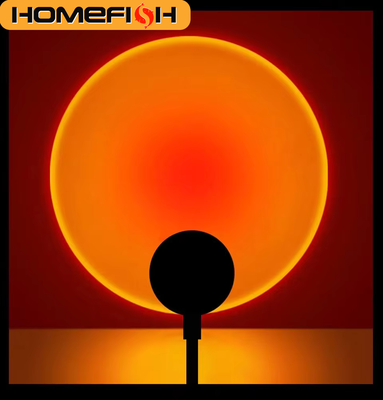
DynamicDeals SunGlow USB Sunset Projector Lamp For Bedroom Mood Lighting & Photography Decor SunGlow USB Sunset Projector Lamp For Bedroom Mood Lighting & Photography DecorTurn any room into a warm, calming escape with this beautifully designed LED sunset lamp that fills your space with soft golden light. Perfect for bedrooms, cozy living rooms, content creation, or latenight relaxation, it instantly creates a dreamy...29,97 $*Shipping: 0,00 $Secure redirect to the provider
-
Lush Decor Garden Of Flowers Ruffle Sheet SetPeacefully drift off to sleep night after night with this serene bedding sheet set. The soft fabric and peaceful print romanticize your bedroom with floral designs and textured ruffles. This sheet set includes a flat sheet, fitted sheet and...79,98 $*Shipping: 0,00 $Secure redirect to the provider
-
"Veer Decor Paper Flowers Wallpaper - Roll 20.86""x33ft""Featuring an expertly crafted collage of paper flowers that creates a stunning 3D effect, this wallpaper brings ""wow"" to your walls! Printed on a PVC-free non-woven material that guarantees effortless side-to-side seamless design match and easy..."154,99 $*Shipping: 0,00 $Secure redirect to the provider
-
Are wages liabilities?
Yes, wages are considered liabilities for a company because they represent an obligation to pay employees for their work. From an accounting perspective, wages are typically recorded as a liability on the company's balance sheet until they are paid to the employees. This reflects the company's obligation to fulfill its financial commitments to its employees. Therefore, wages are classified as a liability until they are settled. **
-
What are liabilities and receivables?
Liabilities are obligations or debts that a company owes to external parties, such as loans, accounts payable, or accrued expenses. They represent the company's financial responsibilities that must be settled in the future. Receivables, on the other hand, are amounts owed to a company by its customers or other parties for goods or services provided. They represent the company's right to receive payment and are considered assets on the company's balance sheet. Both liabilities and receivables are important components of a company's financial position and are crucial for assessing its overall financial health. **
-
Why is equity on the liabilities side?
Equity is placed on the liabilities side of the balance sheet because it represents the claims of the company's owners or shareholders on the company's assets. It is considered a liability because the company has an obligation to its owners to repay their investment in the business. However, unlike other liabilities, equity does not have a fixed repayment schedule and is considered a residual claim, meaning it is only paid out after all other liabilities have been settled. Therefore, equity is categorized as a liability on the balance sheet to accurately reflect the financial obligations of the company. **
-
What are transitory assets and/or liabilities?
Transitory assets and/or liabilities are items on a company's balance sheet that are expected to be settled or used up within a relatively short period of time, typically within one year. These items are considered to be temporary in nature and are not expected to have a long-term impact on the company's financial position. Examples of transitory assets include cash, accounts receivable, and inventory, while examples of transitory liabilities include accounts payable and short-term debt. It is important for investors and analysts to understand the nature of these transitory items when evaluating a company's financial health and performance. **
Similar search terms for Liabilities
-
Royal Catering Hot Food Display - 35cm RCHT-850The Hot Food Display RCHT-850 from the catering supplies of Royal Catering is well-suited for presenting various dishes and keeping them warm. The counter provides fresh and instantly available dishes to your guests, be it at a hotel buffet, in a restaurant or at a café. The light at the top of the counter allows for a good view of the displayed products. The rectangular shape of the counter results in additional space for your dishes compared to other, slanted models. The case is made of sturdy, stainless steel with sides made of glass. The counter is fitted with a glass door and a handle for taking dishes out and putting them in. There are 3 shelves on which you can present your products inside the counter. The shelves, which have a gap of 11 cm, can be pulled out comfortably just like a drawer. A metal mechanism prevents the shelves from tilting and falling. They are also fitted with an edging on the sides which keeps your products from slipping out. Each shelf provides plenty of space with an area of 29 x 30 cm. The inside of the Hot Counter can be heated to a maximum temperature of 85° C using the quick and efficient 850 W heater element. By using the control dial you can smoothly set a temperature which will then be held exactly by a precise thermostat. The built-in digital display will always show the current temperature. The heating system is fitted with a water bowl, which can provide a mild moistening of your dishes via evaporation. This effect prevents a heat induced drying up of your culinary delights. Additionally, there is a removable drawer for catching food debris in the bottom of the case. Cleaning the Hot Food Display is very easy: thanks to its smooth glass and stainless steel, no special detergents are needed. The rack, shelves and drawer can be removed from the counter for cleaning.172,00 £*Shipping: 0,00 £Secure redirect to the provider
-
Lush Decor Garden Of Flowers Ruffle Sheet SetPeacefully drift off to sleep night after night with this serene bedding sheet set. The soft fabric and peaceful print romanticize your bedroom with floral designs and textured ruffles. This sheet set includes a flat sheet, fitted sheet and...49,71 $*Shipping: 0,00 $Secure redirect to the provider
-
Lush Decor Garden Of Flowers Ruffle Sheet SetPeacefully drift off to sleep night after night with this serene bedding sheet set. The soft fabric and peaceful print romanticize your bedroom with floral designs and textured ruffles. This sheet set includes a flat sheet, fitted sheet and...71,28 $*Shipping: 0,00 $Secure redirect to the provider
-
Lush Decor Garden Of Flowers Ruffle Sheet SetPeacefully drift off to sleep night after night with this serene bedding sheet set. The soft fabric and peaceful print romanticize your bedroom with floral designs and textured ruffles. This sheet set includes a flat sheet, fitted sheet and...63,63 $*Shipping: 0,00 $Secure redirect to the provider
-
How are the assets and liabilities evaluated?
Assets and liabilities are evaluated based on their current market value or book value. For assets, this means determining their fair market value, which is the price that they could be sold for in the current market. Liabilities are evaluated based on their current outstanding balance or the amount that is owed. This evaluation helps to determine the financial health and position of a company, as well as its ability to meet its financial obligations. **
-
What is the difference between receivables and liabilities?
Receivables are amounts owed to a company by its customers or other parties for goods or services provided, while liabilities are obligations or debts that a company owes to its creditors or other parties. In other words, receivables represent money that is owed to the company, while liabilities represent money that the company owes to others. Receivables are considered assets on the company's balance sheet, while liabilities are recorded as obligations or debts. **
-
What is a statement of assets and liabilities?
A statement of assets and liabilities is a financial document that provides a snapshot of an individual's or organization's financial position at a specific point in time. It lists all the assets, such as cash, investments, property, and equipment, as well as all the liabilities, such as loans, mortgages, and other debts. The statement helps to assess the overall financial health and solvency of the entity by comparing the total assets to the total liabilities. It is an essential tool for financial planning, decision-making, and assessing the ability to meet financial obligations. **
-
How can liabilities be settled in other ways?
Liabilities can be settled in other ways through various means such as debt restructuring, where the terms of the debt are renegotiated to make it more manageable for the debtor. Another way is through debt-for-equity swaps, where the creditor agrees to convert the debt into an ownership stake in the debtor's company. Additionally, liabilities can be settled through the sale of assets, where the debtor sells off assets to generate cash to pay off the liabilities. Finally, some liabilities can be settled through the issuance of new debt to replace the existing liabilities, known as refinancing. **
* All prices are inclusive of VAT and, if applicable, plus shipping costs. The offer information is based on the details provided by the respective shop and is updated through automated processes. Real-time updates do not occur, so deviations can occur in individual cases. ** Note: Parts of this content were created by AI.